Hits Keynote Template: A Practical Guide to Getting the Most Out of Your Presentation Design
If you have been searching for a presentation framework that balances structure with creative flexibility, the Hits Keynote Template deserves a closer look. With 150 total slides spread across five premade color variations, 30 slides per template, and handcrafted infographics built directly into the PowerPoint file, this template promises to save hours of design work. But like any powerful tool, the results depend heavily on how you use it. Many people download a template like this and end up with presentations that look generic, inconsistent, or cluttered. That is not a flaw in the template—it is usually a sign that certain key features were misunderstood or overlooked. Let’s walk through the most common mistakes, the practical corrections you can make, and the details worth checking before you invest your time.
The Real Value of Those Five Color Variations
The Hits Keynote Template comes with five premade color themes, each with its own set of 30 slides. That is 150 slides in total, but here is where people often go wrong: they use the color variations interchangeably within a single presentation, thinking they are just picking the prettiest slide from each set. The result is a messy, disjointed look that confuses your audience. Each color variation is designed as a complete visual system—headers, body text, accent elements, and backgrounds all work together. Stick to one variation per presentation. If you need to adapt it for different brand guidelines, use the master slides to adjust the palette globally rather than mixing and matching individual slides.
Why Customizing from Scratch Is Usually a Mistake
Another common approach is to ignore the premade colors entirely and rebuild every slide from a blank state. That defeats the purpose of having a template with five thoughtfully curated palettes. The color variations are not limitations; they are starting points. You can easily tweak hues or replace accent colors without disrupting the overall harmony. The key is to use the built-in master slides for those changes. When you modify a color on the master slide, it updates across all 30 slides in that variation instantly. Doing it slide by slide is inefficient and risks inconsistency. If you are a small business owner or freelancer, this approach alone can cut your prep time by more than half.
Master Slides: The Feature Most Users Skip
One of the most overlooked features in any professional template is the master slide system. The Hits Keynote Template is built on master slides, meaning that every layout—title slides, section breaks, portfolio pages, infographic panels—is controlled from one central location. Beginners often drag and drop content onto each slide individually, which works but creates a maintenance nightmare when you need to update a recurring element like a logo, footer, or background graphic. Instead, edit the master slide once. That small habit keeps your presentation pixel-perfect and saves you from hunting down every instance of a misplaced element.
How This Affects Your Efficiency and Quality
When you bypass the master slides, you lose the consistency that makes a presentation look polished. Section break slides might shift alignment, portfolio pages could mismatch image sizes, and infographic elements may drift out of sync. Your audience may not know why something feels off, but they will sense it. More importantly, if you are a marketer or educator presenting to clients or students, that visual inconsistency undermines your credibility. Taking ten minutes to learn how master slides work in your version of PowerPoint pays off in every future presentation you build from this template.
Handcrafted Infographics: More Than Decorative Shapes
The template includes handcrafted infographic slides, which are a standout feature for anyone who needs to present data clearly. The mistake here is treating these infographics as static decoration. People drop in numbers or text without resizing the elements, leaving awkward gaps or cramped text. The infographic components are resizable and editable graphics. You can stretch, shrink, or recolor them without losing resolution because they are vector-based pixel-perfect illustrations. Take advantage of that flexibility. If a bar chart looks too tall for your data, adjust it. If a timeline needs more steps, duplicate a node rather than trying to cram everything into the existing layout.
Ignoring the Picture Placeholders
A related oversight involves the picture placeholders. The template uses drag-drop picture placeholders, meaning you can simply drag an image onto the designated area, and it automatically fits within the frame. Many users either skip these placeholders and paste images arbitrarily or resize them manually, which distorts the image or breaks the layout. Use the placeholders as intended. They are there to maintain consistent aspect ratios and alignment across slides. If you are a blogger or entrepreneur showing portfolio work, this feature ensures your screenshots, product photos, or headshots look uniform without extra effort.
The 30 Slides Per Template Structure: Modular, Not Repetitive
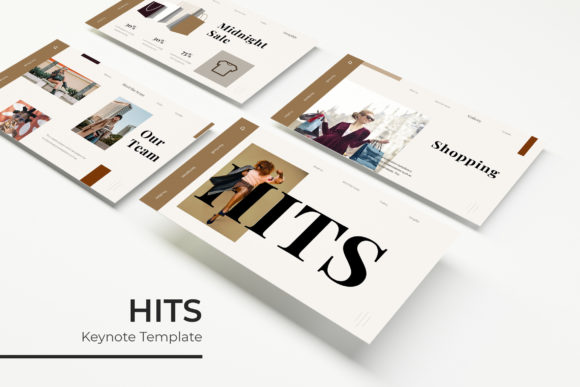
A frequent point of confusion is the 150 total slides broken into 30 slides per color variation. Some people assume that means you only get 30 unique layouts. In reality, each set of 30 slides includes a full range of slide types: cover slides, section breaks, content layouts, gallery and portfolio slides, infographic panels, and closing slides. The template is modular. You are not meant to use all 30 slides in one presentation. Pick the ones that fit your narrative. Having 30 slides per color gives you the flexibility to choose the right layout for each message without having to design from scratch. The common mistake is either using too many slides (making the presentation bloated) or too few (not leveraging the variety). Aim for 8 to 15 slides for most business or educational presentations, selecting the most appropriate layout for each point.
What the Gallery and Portfolio Slides Actually Do
If you are a creator, freelancer, or small business owner, the gallery and portfolio slides are probably why you are considering this template. These slides are designed to showcase images or projects in a clean, grid-based layout. The mistake people make here is overcrowding them. Trying to squeeze six project examples onto a slide designed for four creates visual noise. The template provides multiple portfolio layouts within each set of 30 slides—use a separate slide per category or client. It keeps the presentation digestible and lets each piece of work breathe. The drag-drop picture placeholders make swapping visuals fast, so there is no excuse to cram everything into one busy slide.
Overlooking the Font and File Details
One of the most practical inclusions in the Hits Keynote Template is the free font download link mentioned in the Readme First file. Yet many users skip reading that file and end up using system fonts that do not match the template’s design. The result is a presentation that looks close to the preview but slightly off—the typography feels mismatched, spacing breaks, and the overall polish diminishes. Take two minutes to download and install the recommended fonts before you start editing. It makes a noticeable difference, especially on portfolio and section break slides where typography carries visual weight.
The 5 PPTX Files and Widescreen Format
The template includes 5 PPTX files, one for each color variation, and all are in widescreen format. A practical detail to note: if your presentation needs to be displayed on older projectors or screens that use a 4:3 aspect ratio, you will need to adjust the slide size settings in PowerPoint before you begin. Trying to convert a fully designed widescreen deck to 4:3 afterward can distort graphics and text boxes. Check your output format early. Most modern laptops and monitors support widescreen natively, but it is worth verifying your actual presentation environment, especially if you are presenting at a conference or client office.
Managing Expectations Around Preview Images
The template’s description clearly states that photographs or pictures used in the preview are not included and are for illustration purposes only. This is not a trick or a missing feature—it is standard practice for template sellers. The mistake is assuming you can use those exact images without licensing them separately. If you need high-quality visuals, plan to source your own photos from free stock sites or your own library. The picture placeholders make insertion seamless, so prepare your images in advance. Having a folder of curated visuals ready before you start editing keeps your workflow smooth and prevents you from settling for low-quality substitutes at the last minute.
Why the Readme First File Matters
Skipping the Readme First file is perhaps the most common error among new users. That file contains links to the recommended fonts, notes on how to edit master slides, and tips for using the resizable graphics correctly. It is not filler—it is a setup guide. If you are someone who typically jumps straight into editing, slow down. Open the Readme First file alongside the PPTX file. It answers the questions that will otherwise frustrate you midway through customization. For educators and marketers who need to deliver consistent presentations under time pressure, this habit alone can eliminate most formatting headaches.
Practical Advice Before You Download
Before you commit to the Hits Keynote Template, consider your actual presentation needs. Do you frequently present data-heavy content? The handcrafted infographic slides will serve you well. Do you showcase a portfolio or gallery of work? The dedicated portfolio slides give you a professional edge. Are you a beginner looking for a quick but polished result? Stick to one color variation, use the master slides, and install the recommended fonts. The template is designed to support you, but it requires you to engage with its structure rather than fight against it.
Also, note that the template is provided in PPTX format for both standard and widescreen use. If you work across different versions of PowerPoint or Keynote, verify compatibility ahead of time. The file structure is built on standard PowerPoint features, so it should open smoothly, but testing a few slides early prevents surprises during your actual presentation.
Final Thoughts on Getting It Right
The Hits Keynote Template offers a blend of variety and consistency that is rare in presentation resources. With 150 slides, five color variations, and pixel-perfect illustrations, it gives you room to express your content without starting from zero. The mistakes people make—mixing color sets, ignoring master slides, treating infographics as static, skipping the font setup, and overlooking the Readme First file—are all avoidable. By understanding what each feature actually does and adjusting your workflow accordingly, you can produce presentations that look custom-built, save hours of design time, and communicate your message clearly. Whether you are a marketer pitching a campaign, a teacher structuring a module, or a freelancer showcasing your work, this template can deliver professional results when you use it with intention. Take the time to set it up right, and it will carry that effort through every slide.