Hits Google Slide Template: A Practical Guide to Getting the Most Out of Your Presentation
If you have ever spent hours building a presentation from scratch only to realize the colors clash, the images misalign, or the formatting breaks halfway through, you already know the value of a well-designed template. The Hits Google Slide Template offers a robust foundation with 150 total slides across five premade color variations, but owning a solid template is only half the battle. Many users pick up a template like this and still end up with a presentation that feels disjointed, rushed, or unprofessional. The difference often comes down to a few common mistakes and some simple corrections. This article walks through those pitfalls so you can use the Hits Google Slide Template the way it was intended—efficiently and with results that look deliberate.
Understanding What Hits Google Slide Template Actually Delivers
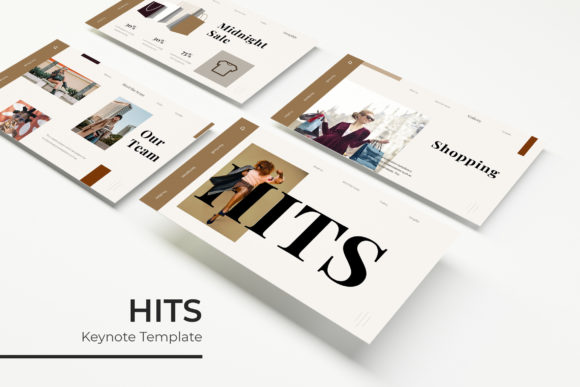
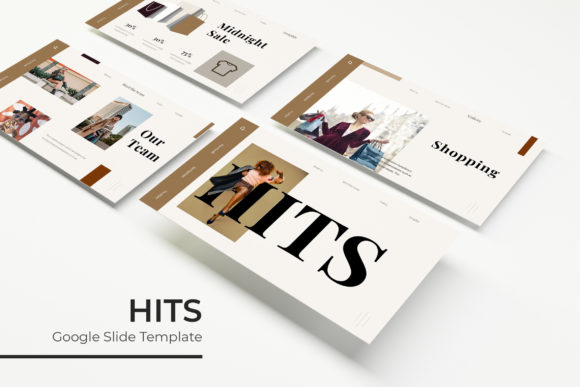
Before diving into mistakes, it helps to know what you are working with. This template includes 30 slides for each of five premade color variations, giving you 150 total slides. Each set comes as a separate PPTX file, and all are widescreen format. The package also includes handcrafted infographics in PowerPoint, section break slides, gallery and portfolio layouts, resizable and editable graphics, picture placeholders with drag-and-drop functionality, and pixel-perfect illustrations throughout. Everything is built on master slides, which means changes you make at the master level propagate across the entire deck. A Readme First file is included, along with a link to download the free font used. The photographs in the preview are not included—they are for illustration only.
That is a lot of capability packed into one template. But having all these features means nothing if you do not use them correctly. Let us look at the most common mistakes people make and how to avoid them.
Mistake One: Picking a Color Variation Before Planning Your Content
It is tempting to scroll through the five color variations, pick your favorite, and start dropping in text and images right away. That approach often leads to a mismatch between the tone of your content and the visual mood of the slides. A bright, playful color scheme may feel wrong for a serious financial report, just as a dark muted palette can make a creative portfolio look dull.
Instead, look at your content first. Decide what emotional response you want your audience to have. Do you need energy and optimism? A warm or bright color variation may serve you best. Are you building a pitch deck for a conservative industry? A neutral or cool palette will keep the focus on your data. Once you match the color variation to your message, the rest of the design work starts to feel effortless. The five premade colors exist precisely so you can align your presentation’s visual identity with its purpose, but that alignment requires a moment of reflection before you commit.
Mistake Two: Editing Each Slide Individually Instead of Using Master Slides
This is one of the most time-wasting mistakes you can make with any template built on master slides, and the Hits Google Slide Template is no exception. Beginners especially fall into the habit of changing the font size on slide after slide, or adjusting a logo position manually on every page. That kind of work is not only tedious—it is brittle. One small inconsistency and your presentation starts to look sloppy.
The template uses master slides so that you can make a single change and have it apply across the entire deck. If you need to update the font, adjust the background color, or reposition a recurring element, do it on the master slide. The same logic applies to the slide layouts. Each layout in the template is designed for a specific type of content—title slides, section breaks, galleries, infographics, and so on. When you choose the right layout for your content, you inherit consistent spacing, alignment, and typography without extra effort. Learning to navigate the master slide view in PowerPoint or Google Slides will save you hours and produce a more polished result.
Mistake Three: Misunderstanding the Picture Placeholder System
The template includes picture placeholders that allow drag-and-drop image insertion. That sounds simple, but many users either ignore the placeholders entirely or fight against them. Some people delete the placeholder box and insert an image manually, only to find that the image does not fit the intended crop or frame. Others drop in an image that is too small, which looks pixelated when stretched to fill the space.
The better approach is to use the placeholders as designed. They are already sized and positioned to work with the layout. When you drag an image into a placeholder, the template automatically applies the correct crop and scaling. If the placeholder expects a horizontal image and you use a vertical one, the result may look awkward. Preview your images before inserting them and choose ones that match the placeholder orientation. Also, use images with sufficient resolution. A good rule is to work with files at least 1920 pixels wide for full-slide images. The template’s pixel-perfect illustrations will look crisp, but your inserted photos will only look as good as the source files you provide.
Mistake Four: Overlooking Section Break Slides and Gallery Layouts
When you have 150 slides to work with, it is easy to focus on the main content slides and ignore the supporting ones. Section break slides and portfolio gallery slides often get treated as optional extras, but they serve a real purpose in guiding your audience through the narrative.
Section breaks give your viewers a moment to reset. Without them, a long presentation can feel like an endless scroll of information. A well-placed section break signals a shift in topic and gives the audience a mental breather. The Hits Google Slide Template includes dedicated section break slides in each color variation for exactly this reason. Use them before major topic changes, case studies, or new data sets.
Similarly, gallery and portfolio slides are designed to showcase multiple images or projects in a clean, organized layout. If you skip these slides and instead cram several images onto a generic content slide, you lose the visual breathing room that makes a gallery effective. The template’s gallery layouts are already balanced for multiple images with consistent spacing. Trust the layout and use the slides as intended.
Mistake Five: Ignoring the Readme First File and Font Setup
This mistake is more common than you might think. The Readme First file contains instructions specific to the Hits Google Slide Template, including the font download link and any special notes about how the template works. Skipping it can lead to font mismatches, missing characters, or formatting that shifts when you open the file on a different machine.
The template uses a specific free font that is not included in the PPTX file due to licensing. If you do not download and install that font before you start editing, your system will substitute a different font, and the layout may break. Spacing, line heights, and even the overall proportion of text areas can change. The fix is simple: open the Readme First file, follow the link, download the font, and install it before you do anything else. This takes two minutes and prevents a cascade of formatting headaches later.
Also, note that the preview images in the marketplace listing are not included. That may seem obvious, but some users expect those exact photos to come with the template. The template provides placeholders and layouts, and you supply your own imagery. Plan your image sourcing ahead of time so you are not scrambling at the last minute.
Mistake Six: Not Testing the Template in Your Target Software
The Hits Google Slide Template is delivered as PPTX files, which work natively in PowerPoint. Many users, however, intend to use it with Google Slides or another presentation tool. While PPTX files generally transfer, features built on PowerPoint master slides, animations, or some infographic elements may behave differently in other software.
Before you build an entire deck, test the template in the software you plan to use for the final presentation. Open a single color variation, insert a few images, apply a section break layout, and see how everything renders. If something looks off, you may need to adjust your workflow or make minor manual fixes. It is better to discover this early than after you have invested hours populating all 30 slides. If Google Slides is your primary tool, consider flattening complex infographics or checking that text boxes rearrange properly. The template is designed professionally, but no tool handles every feature identically.
Putting It All Together for a Better Presentation
The Hits Google Slide Template gives you a strong starting point: 150 slides, five color variations, handcrafted infographics, section breaks, portfolio galleries, and pixel-perfect illustrations. But the template is only as good as how you use it. Plan your color choice around your content, not your personal preference. Use master slides to maintain consistency across the deck. Respect the picture placeholders and feed them high-quality images that fit the intended orientation. Include section breaks and gallery slides to improve narrative flow. Read the instructions and install the correct font before you start editing. And always test the template in your target presentation software before committing to it.
By avoiding these common mistakes, you save time, reduce frustration, and produce a presentation that looks cohesive and intentional. Whether you are a freelancer preparing a client pitch, an educator building course materials, or a business owner creating a company overview, the Hits Google Slide Template can serve as a reliable foundation—provided you take the small extra steps that separate a good deck from a great one.